

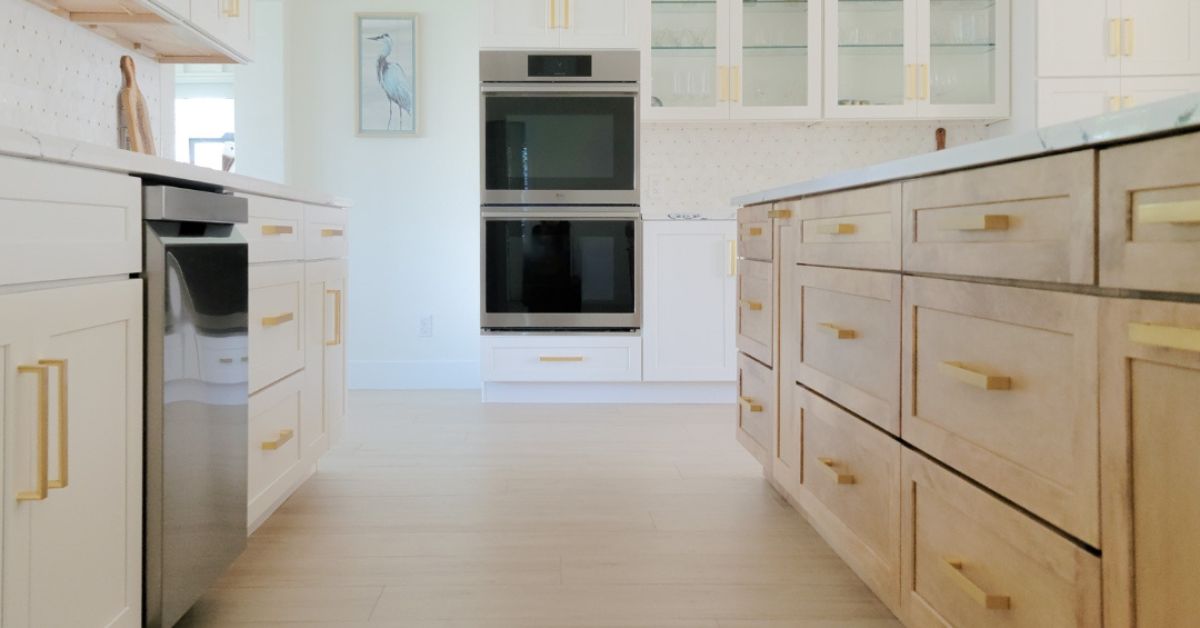
Cabinet space plays a bigger role in kitchen design than many homeowners realize. Cabinets influence not only how your kitchen looks, but how it functions day to day. Too little storage leads to cluttered counters and frustration. Too much can feel wasteful, expensive, or overwhelming. Finding the right balance requires thoughtful planning, realistic assessment of your needs, and an understanding of how cabinetry supports your lifestyle.
Whether you are remodeling an existing kitchen or building a new home from the ground up, determining how much cabinet space you truly need is one of the most important decisions you will make. With the right approach, your kitchen can feel organized, efficient, and tailored specifically to how you live and cook.
Why Cabinet Planning Deserves Early Attention
Cabinetry sets the framework for your entire kitchen. Appliances, countertops, lighting, and even traffic flow depend on where cabinets are placed and how much storage they provide. Treating cabinet planning as an afterthought often results in compromises that affect both aesthetics and functionality.
Early planning allows you to evaluate your habits honestly. It also helps you make informed choices about layout, materials, and customization options. Homeowners who prioritize cabinetry from the start tend to end up with kitchens that age better and adapt more easily to changing needs.
Assessing Your Storage Needs
The right amount of cabinet space varies widely from one household to another. A minimalist cook who relies on a few trusted tools needs far less storage than a family that entertains often and owns specialty cookware.
Start by taking inventory of what you currently own. Count cookware, small appliances, pantry items, serving pieces, and storage containers. Consider what feels cramped now and what you rarely use. This exercise reveals not just how much cabinet space you need, but what kind.
Think about future needs as well. Growing families, changing diets, and evolving cooking habits all affect storage requirements. Planning ahead reduces the likelihood of outgrowing your kitchen too quickly.
Standard Cabinet Guidelines as a Starting Point
While every kitchen is unique, general guidelines help establish a baseline. Many designers recommend allocating at least 25 percent of total kitchen square footage to cabinets. In a medium-sized kitchen, this often translates to a mix of upper cabinets, lower cabinets, and specialty storage.
Base cabinets typically handle the heaviest storage, including pots, pans, and small appliances. Upper cabinets work well for everyday dishes and glassware. Tall cabinets or pantry units provide vertical storage that maximizes space without expanding the kitchen footprint.
These guidelines serve as a starting point rather than a strict rule. The goal is balance, not excess.
Understanding How Layout Impacts Cabinet Needs
Your kitchen layout directly influences how much cabinet space you require. A galley kitchen often needs more vertical storage because wall space is limited. An open-concept kitchen may rely on fewer upper cabinets to maintain sightlines, shifting storage needs elsewhere.
Island layouts introduce opportunities for additional cabinetry without crowding walls. Drawer banks, appliance garages, and deep storage cabinets can all be incorporated into island designs to offset reduced perimeter storage.
When planning cabinet space, consider how you move through the kitchen. Storage should support natural workflows rather than interrupt them.
The Role of Tailored Cabinets in Efficient Storage
One of the most effective ways to optimize cabinet space is through tailored cabinets. Rather than forcing your belongings into standard-sized boxes, tailored cabinets adapt to your specific storage needs.
Customized drawer depths, adjustable shelving, pull-out organizers, and built-in dividers eliminate wasted space. Vertical tray storage, spice pull-outs, and concealed appliance cabinets all contribute to a cleaner, more efficient kitchen.
Tailored cabinets also allow you to prioritize what matters most to you. If baking is a passion, deeper drawers and dedicated storage make sense. If entertaining is central to your lifestyle, glass-front cabinets and serving storage may take priority.
Balancing Upper and Lower Cabinets
One common mistake homeowners make is overloading kitchens with upper cabinets. While they offer storage, too many can make a space feel closed in and dark. Modern kitchens often strike a balance by combining selective upper cabinets with open shelving or taller base cabinetry.
Lower cabinets and drawers generally provide easier access and better organization. Drawers allow you to see everything at a glance, reducing the need to stack items. This approach often results in fewer cabinets overall but better usability.
The right mix depends on ceiling height, natural light, and personal preference. Balance visual openness with practical storage.
Pantry Space: Built-In or Standalone
Pantry storage deserves special attention. Some kitchens rely on multiple cabinets to store food, while others benefit from a dedicated pantry unit or walk-in pantry.
Tall pantry cabinets offer excellent storage density and keep items organized vertically. Walk-in pantries require more square footage but reduce the need for additional kitchen cabinets.
When deciding how much cabinet space you need, consider whether pantry storage will be integrated into cabinetry or handled separately. This decision significantly affects overall cabinet planning.
Considering Appliance Integration
Modern kitchens increasingly integrate appliances into cabinetry. Refrigerators, dishwashers, and even microwaves can be concealed behind cabinet panels for a seamless look.
This integration requires additional cabinet space and careful planning. Panel-ready appliances often demand precise measurements and surrounding cabinetry for proper support and ventilation.
While integrated appliances reduce visible clutter, they also increase the importance of tailored cabinets that fit both appliances and storage needs without compromise.
Storage Solutions That Reduce Cabinet Count
Smart storage design can reduce the total number of cabinets you need. Deep drawers replace multiple shelves. Corner solutions eliminate dead space. Pull-out systems bring items forward rather than burying them.
Vertical storage maximizes height without expanding width. Toe-kick drawers add hidden storage in unused areas. These features allow kitchens to function efficiently with fewer cabinets overall.
Choosing quality storage solutions often matters more than adding more cabinetry.
New Builds vs. Remodels
Homeowners building a new home enjoy more flexibility in cabinet planning. Walls, windows, and layouts can be adjusted to support ideal storage placement. This freedom allows cabinetry to drive design decisions rather than accommodate existing constraints.
Remodels require more creativity. Structural elements and existing footprints limit options, making efficient cabinet design even more critical. Tailored cabinets help remodels feel intentional rather than compromised.
In both scenarios, clear priorities and realistic expectations lead to better results.

Budget Considerations and Long-Term Value
Cabinets represent a significant portion of kitchen budgets. Investing in quality cabinetry pays dividends in durability, functionality, and resale value.
Rather than maximizing cabinet count, focus on maximizing usefulness. Tailored cabinets often cost more upfront but reduce the need for future modifications or replacements.
Well-designed cabinets also enhance daily living, making them one of the most valuable investments in your home.
Planning for a Kitchen That Grows With You
Your kitchen should support you not only today, but years from now. Flexible storage, adjustable shelving, and adaptable layouts allow cabinets to evolve with your needs.
Avoid designing solely for trends. Prioritize function, accessibility, and timeless appeal. A kitchen that works well remains relevant regardless of style changes.
Making Confident Cabinet Decisions
Determining how much cabinet space your kitchen needs is not about hitting a magic number. It is about understanding how you live, cook, and gather in your space. With thoughtful planning, informed choices, and the strategic use of tailored cabinets, you can create a kitchen that feels both spacious and efficient.
The right cabinet plan turns your kitchen into a space that supports your vision. When storage works seamlessly, your dream kitchen becomes not just beautiful, but truly livable.